The conversation about factory safety in India tends to focus on visible hazards. Protective gear. Machine guarding. Fire exits. These are important, and most facilities have some level of compliance in place for all of them.
What gets far less attention is what is happening inside the walls, behind the panels, and underneath the cable trays. The electrical infrastructure that powers every machine, every light, and every control system in the building is, in many Indian facilities, years or decades old, carrying significantly more load than it was originally designed for, and has never been properly inspected.
This is not a small problem.
How Electrical Failures Actually Happen
Dramatic electrical failures almost always have mundane origins. A cable junction that was not properly terminated and has been running warm for two years. A circuit breaker that was replaced with a higher-rated one to stop nuisance tripping, without checking whether the cable downstream could handle the increased fault current. An earthing system that was installed during the original construction and has never been tested since.
These are not exotic failure modes. They are the predictable results of aging infrastructure, incremental load additions over time, and maintenance budgets that treat electrical work as a reactive expense rather than a preventive one.
The Specific Risks in Indian Industrial Settings
Several conditions common in Indian manufacturing environments elevate electrical risk above the baseline:
What an Electrical and Fire Safety Audit Actually Examines
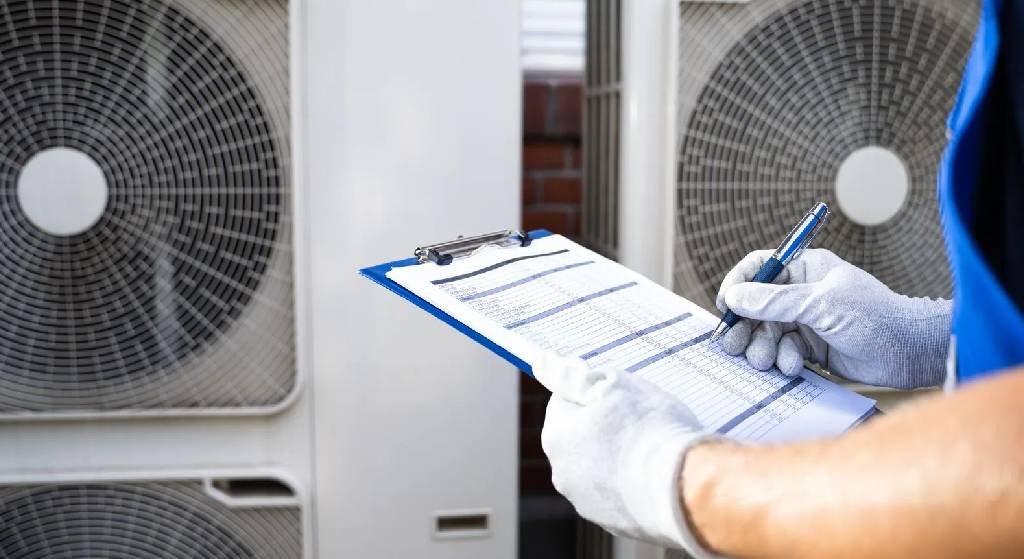
A professional audit from Swawlambi is not a paperwork review. It is a physical examination of your electrical infrastructure combined with instrument-based testing and thermal imaging analysis.
A vendor who cannot answer these questions for your specific situation before presenting a proposal is not the right partner for a decision of this scale.
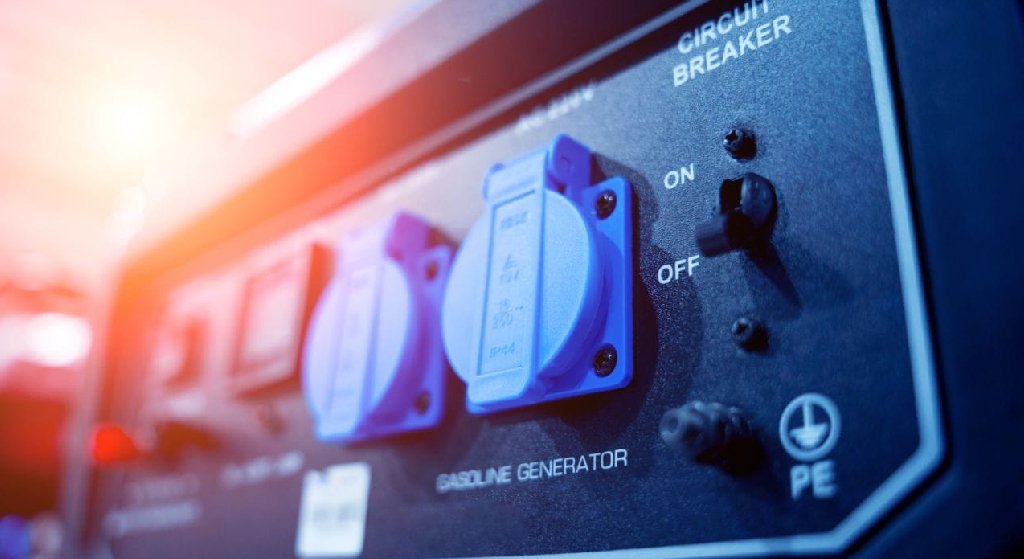
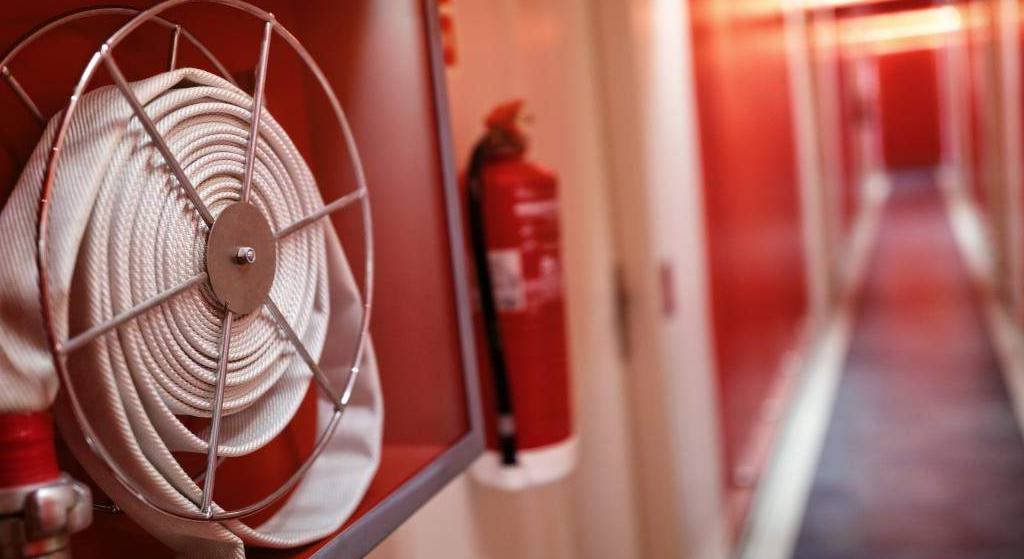
The audit covers the condition and rating of all main and sub-distribution boards, the health of cable insulation through testing rather than visual inspection alone, the adequacy and continuity of earthing and bonding systems, the performance of protection systems including circuit breakers and earth leakage relays, and the condition of fire detection and suppression equipment.
TThermal imaging is a particularly valuable part of the process. An infrared scan of a distribution board or cable tray shows temperature anomalies at connections and joints that are running hotter than they should be. These hotspots are visible warning signs of imminent failures that have no outward appearance of being dangerous until they become one.
The Consequence of Waiting
There are two reasons to act on electrical safety before something goes wrong rather than after. The first is obvious: the human and financial cost of a serious electrical incident in a manufacturing facility can be catastrophic and irreversible.
The second reason is less discussed: insurance and liability. If an electrical fire or equipment failure occurs in a facility that cannot demonstrate recent professional inspection and maintenance, the insurance position becomes significantly more complicated. In some cases, insurers can challenge claims on the grounds that known risks were not adequately addressed.
A documented, professional safety audit is not just about preventing incidents. It is also about demonstrating due diligence in the event that something does go wrong despite precautions.
After the Audit: What Happens Next
Swawlambi’s electrical and fire safety audit concludes with a detailed findings report that categorises risks by severity, provides clear remediation recommendations, and prioritises the most critical interventions so that urgent issues are addressed first.
Most facilities find that a proportion of issues can be addressed through maintenance and minor modifications, while a smaller number require more significant work. Having a clear, prioritised list makes it possible to plan the remediation without disrupting ongoing operations.