A solar panel covered in dust is not generating what it should be. This sounds obvious, but it is one of the most consistently overlooked aspects of solar ownership in India, where dust levels are high, intermittent rains leave mud streaks across panels, and bird droppings accumulate over time on any surface that sits still in the open.
Research conducted in Indian conditions shows that soiling losses on unclean solar panels can reduce generation by 25 to 35 percent in peak summer months. For a 100 kW commercial system generating roughly Rs 12 lakhs worth of electricity annually, that is a Rs 3 to Rs 4 lakh loss sitting on your roof that a bucket of water and the right approach could prevent.
Here is how to do it correctly.
How Often Should You Clean Solar Panels in India?
Step-by-Step Solar Panel Cleaning Guide
1. Clean early in the morning or late evening
Never clean panels in direct afternoon sun. Cold water hitting hot glass can cause micro-cracks in the panel surface over time. Morning and evening cleaning also avoids rapid evaporation that leaves water spots and mineral deposits behind.
2. Switch off the solar system before cleaning
Follow your inverter manufacturer’s shutdown procedure before anyone accesses the roof. This is a safety requirement, not optional. Water and live electrical systems do not mix, and wet panels still generate voltage even when the inverter is off.
3. Start with a gentle rinse
Use a garden hose or a low-pressure spray to loosen surface dust before any scrubbing. High-pressure water jets should be avoided as they can damage panel frames and dislodge junction box seals. Let the water do the initial work.
4. Use a soft brush or squeegee with clean water
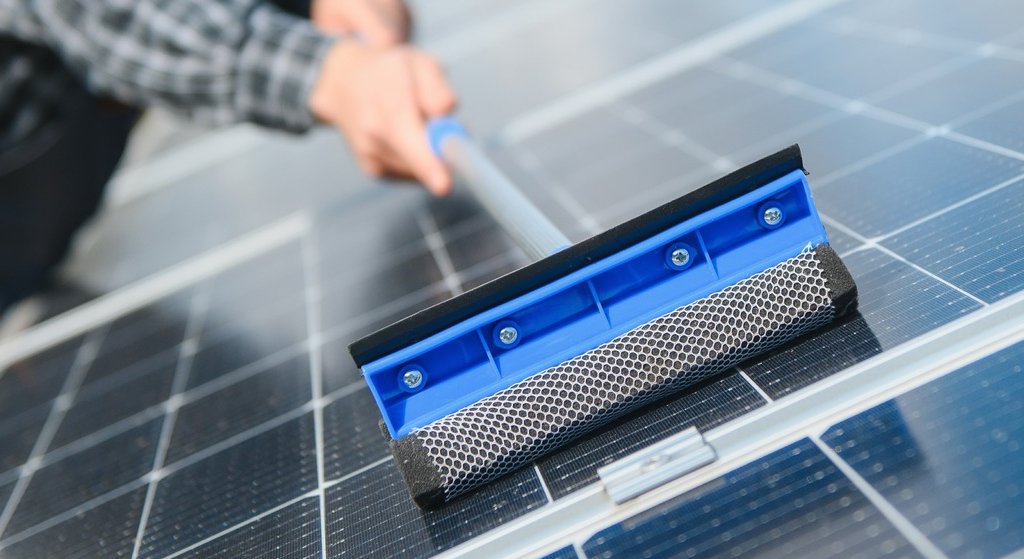
A soft-bristled brush on an extension pole is the standard tool for panel cleaning. Use plain water in most cases. For stubborn bird droppings or mud, a very small amount of mild, non-abrasive soap is acceptable, but rinse thoroughly afterward as soap residue attracts dust.
5. Never use abrasive materials
Steel wool, hard scrubbers, or abrasive cleaning powders will scratch the anti-reflective coating on panel glass. These scratches permanently reduce light transmission and therefore generation output. Once the coating is scratched, it cannot be restored.
6. Rinse and let panels air dry
After scrubbing, rinse with clean water from the top downward. Do not wipe panels dry with cloth, as even soft fabric can carry particles that scratch the surface. Allow them to air dry, and check that no pooling water has formed in panel frames or drainage channels.
Beyond Cleaning: What Else Affects Solar Panel Performance
Even partial shading on one panel in a string affects the output of the entire string due to how series-connected panels work. Check regularly for new shading sources: a wall that has been extended, a tree that has grown, a new structure on an adjacent building. Shade that did not exist at the time of installation may now be affecting your system.
Your inverter display or monitoring app will show daily generation figures. If you notice a consistent drop in output compared to previous weeks with similar weather, investigate before assuming it is a weather issue. Generation drops are often the first visible sign of a panel fault, a shading problem, or a connection issue.
Annual professional inspection
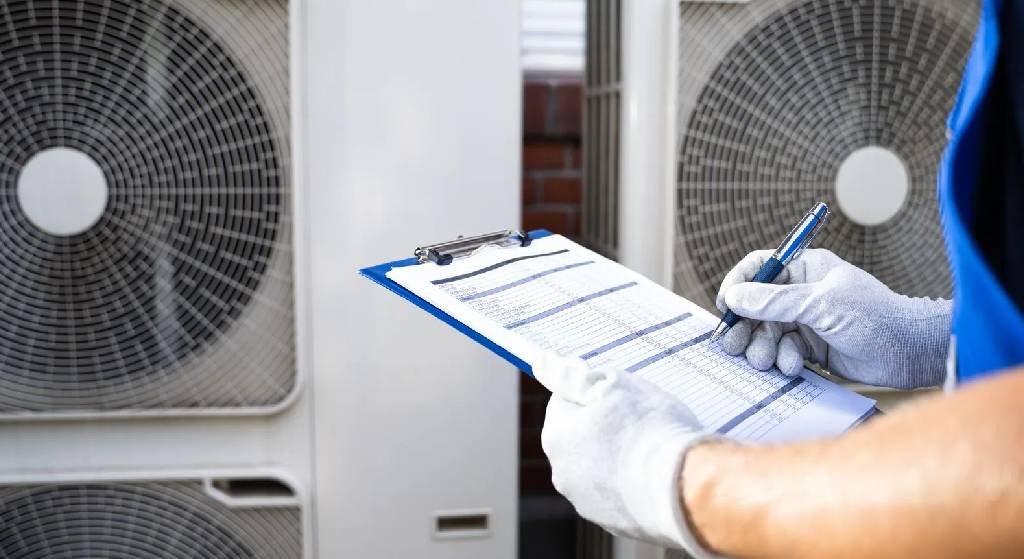
Once a year, have a qualified solar technician physically inspect your installation. This includes checking panel connection integrity, inverter performance, mounting structure condition, and earthing continuity. Small issues caught during an inspection are far less costly than the failures they prevent.
Automated Cleaning Systems
For large commercial installations with roof space that is difficult to access safely, automated panel cleaning systems are now available in India. Robotic cleaners that operate on dry brushing principles (no water required) are particularly useful in water-scarce regions. For installations above 200 kW, the economics of automated cleaning typically hold up against the labour and lost generation costs of manual cleaning.