Fire safety in Indian commercial buildings is one of those subjects that gets a lot of attention after incidents and very little before them. Most facilities have some level of compliance in place because it was required to get an occupancy certificate. Whether that compliance reflects actual safety at the present moment is a different question entirely.
A fire certificate obtained five years ago does not tell you whether your fire suppression system is still operational, whether your exit routes have been blocked by new furniture or equipment, or whether the electrical load added since the original inspection has created new hazards that were not there when the certificate was issued.
This checklist is for facility managers who want to go beyond the paperwork.
Electrical Fire Hazards: The Starting Point
Electrical faults are the leading cause of commercial and industrial fires in India. Most of them are preventable.
1. Check for overloaded circuits and extension leads
Extension boards daisy-chained together and circuits carrying far more load than their rated capacity are among the most common electrical fire hazards in Indian offices. Walk through your facility and look for multi-way adaptors carrying multiple high-load devices, extension leads run under carpets or through doorways where insulation can be damaged, and distribution boards where breakers have been upsized without verifying downstream cable capacity.
2. Schedule a thermal imaging scan of all electrical panels
Infrared thermal imaging reveals hotspots at electrical connections and joints that are running at dangerous temperatures but show no visible sign of a problem. This is the most effective tool available for identifying electrical fire risks before they manifest. Distribution boards in Indian facilities often have dozens of connections, and manual inspection alone cannot reliably identify early-stage heating problems.
3. Verify earthing system continuity
A properly functioning earthing system is the last line of defence against electrical faults becoming fires or electrocutions. Earthing systems corrode, connections loosen, and earth electrodes degrade over time, especially in areas with high soil salinity or industrial chemical exposure. Earthing continuity should be tested with instruments, not assumed.
Fire Detection and Suppression Systems
4. Test smoke detectors on a fixed schedule
Smoke detectors in commercial buildings should be tested monthly. Most facilities test them once during the annual fire drill and at no other point during the year. Detectors can fail silently. Battery-powered units can drain unnoticed. Hardwired units can develop faults in the wiring. Monthly testing takes minutes per zone and is the simplest thing a facility team can do to ensure early warning systems actually work.
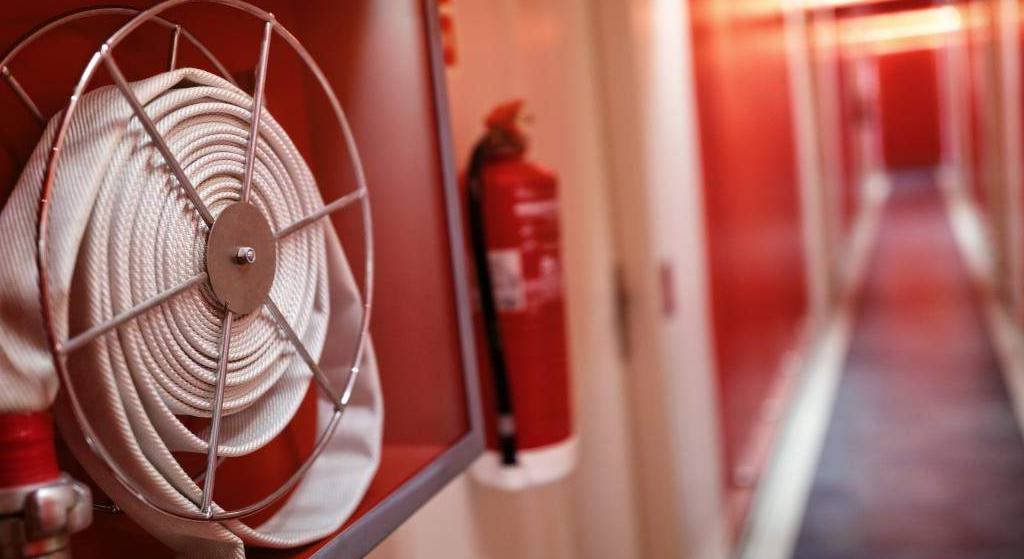
5. Check fire extinguisher pressure and location
Fire extinguishers should be visually inspected monthly and professionally serviced annually. Check that the pressure gauge needle is in the green zone, that the safety pin is intact, and that the extinguisher has not been discharged even partially. Also verify that extinguishers are positioned where they are visible and accessible, not behind doors, machinery, or new storage that has been added since the original placement.
6. Verify sprinkler head condition if your building has a wet pipe system
Sprinkler heads can be painted over during renovation works, physically damaged by storage placed too close, or corroded over time. Any of these conditions can prevent a sprinkler from activating correctly. A visual inspection of all sprinkler heads should be on the annual checklist, with corroded or painted heads replaced immediately.
Evacuation Routes and Exit Compliance
7. Walk every exit route yourself
Do this without giving advance notice to the facility team. In many Indian commercial buildings, fire exit corridors quietly become storage areas over time. Emergency exit doors get locked from the inside because they are used as staff entrances. Panic bars get taped over because they keep triggering accidentally. Walk the route as a person trying to evacuate would, and fix everything that would slow them down.
8. Check emergency lighting function
Emergency lights are powered by batteries that require periodic replacement. Switch off the main electrical supply to a zone and verify that emergency lights activate immediately and remain functional for the rated duration, typically 90 minutes. Emergency lighting that fails the moment it is needed is a common and dangerous problem.
9. Conduct a fire drill with actual evacuation
An evacuation drill that consists of the alarm sounding for 30 seconds and everyone remaining at their desks is not a drill. A useful drill means people physically move to the muster point, floor wardens are identified and practise their role, and the time taken to fully evacuate is recorded. Issues that appear during a drill are incomparably cheaper to resolve than issues discovered during an actual emergency.
High-Risk Areas That Get Overlooked
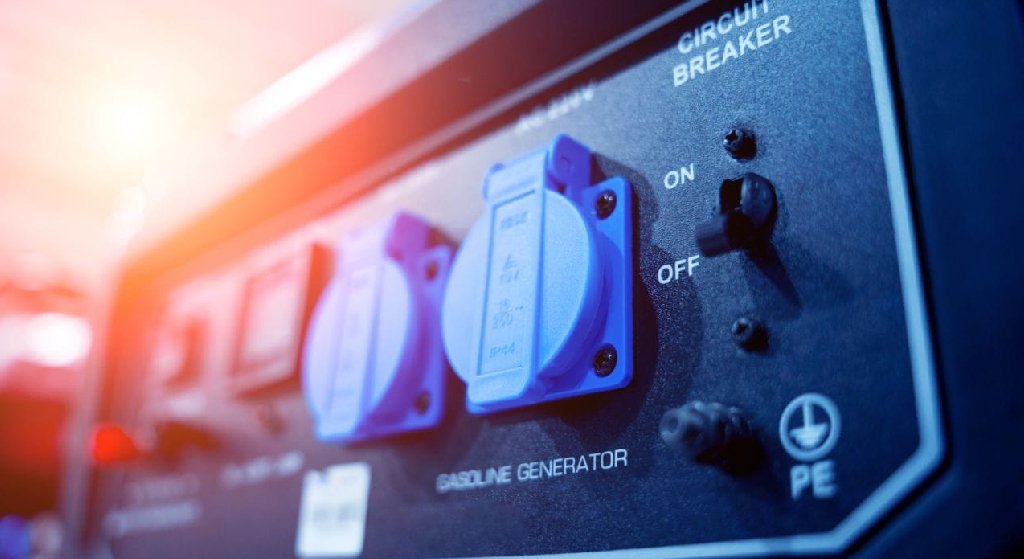
10. Generator rooms and electrical plant rooms
These areas combine fuel storage, high-current electrical equipment, and limited ventilation. They are among the highest fire-risk spaces in any commercial building and are often the least regularly inspected. Ensure that fire suppression equipment specific to these areas is present and serviced, that ventilation is adequate, and that diesel or other fuel storage meets compliant standards.
11. Server rooms and UPS installations
Server rooms concentrate high-value electrical equipment and generate significant heat. They require dedicated fire suppression systems, typically clean agent systems that do not damage equipment. If your facility has a server room protected only by standard sprinklers or no suppression at all, that is a significant gap worth addressing.
When to Call in a Professional Audit
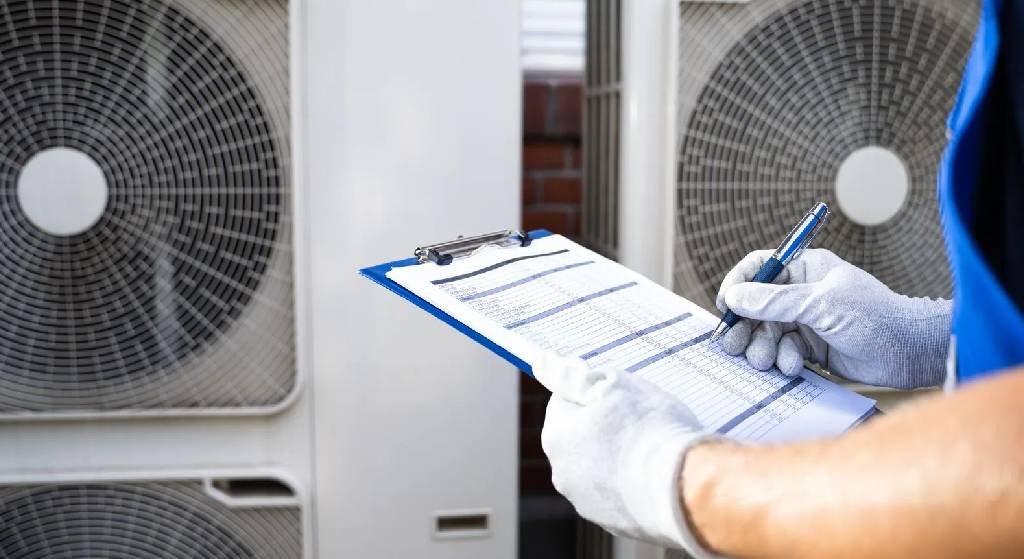
The checklist above is a starting point for internal facility management. A professional electrical and fire safety audit goes further: it uses instrumentation to test what visual inspection cannot reveal, produces a documented findings report, and gives you a prioritised remediation plan that meets regulatory requirements.
Swawlambi recommends that any facility operating for more than three years without a professional audit schedule one, particularly if significant load additions, renovations, or occupancy changes have occurred since the last inspection.