There is the obvious cost. Production stops. Computers shut down. Machinery trips. Your team sits around waiting for power to come back. Every idle minute is money walking out the door.
But there is a second cost that most business owners never fully account for. It is the cost of recovery.
When power returns after an unplanned outage, your factory does not simply resume from where it left off. Machines go through restart cycles. IT systems take time to come back online. If you run any kind of precision process, you may have lost the batch entirely. If you have a server room, data integrity checks eat into the next hour. If you are in food processing, hospitality, or cold storage, the losses can be immediate and physical.
Add both costs together and most businesses find that even a handful of power interruptions per month represent a significant and entirely preventable financial drain.
Why Backup Power Is Still an Afterthought for Many Businesses
The honest answer is that backup power is invisible when it works. A business with a well-designed power backup system barely notices grid failures. The lights stay on, the machines keep running, nobody panics. There is nothing dramatic to point at and no quarterly figure that says: ‘This is what we saved this month.’
The problem only becomes visible during a failure. And by then, the cost of not planning properly is already being paid.
Why Not All Power Backup Is the Same
The term ‘power backup’ covers a wide range of solutions, and the differences matter enormously depending on your operation.
For Critical Loads That Cannot Tolerate Any Interruption
Online UPS systems provide genuinely seamless power. The load runs continuously from a battery-backed inverter, while the grid simultaneously recharges the battery. There is no switchover delay because the grid is never directly powering the load. This is the right choice for servers, medical equipment, and precision CNC machinery where even a half-second gap is unacceptable.
For General Commercial and Industrial Operations
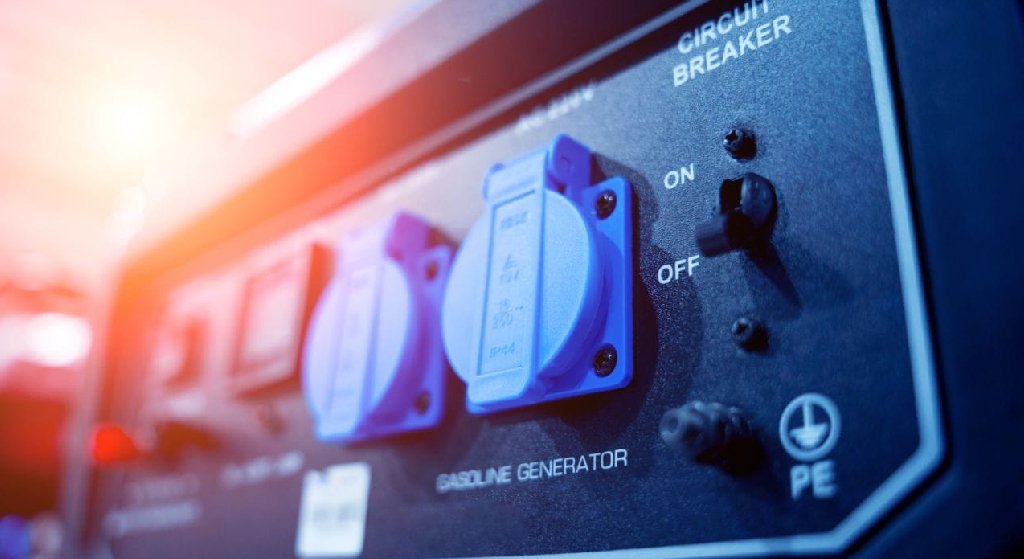
A well-maintained diesel generator, paired with an Automatic Mains Failure (AMF) panel, will restore power within 15 to 20 seconds of a grid failure. For most manufacturing and commercial applications, this is sufficient. The key word is well-maintained. A generator that has not been load-tested in six months is not backup power. It is a liability with a fuel tank.
For Modern Facilities Looking to Cut Fuel Dependence
Add both costs together and most businesses find that even a handful of power interruptions per month represent a significant and entirely preventable financial drain.
The Design Question That Most Vendors Skip
Before selecting any backup solution, the right question is: what exactly are you backing up, and for how long?
Backing up your entire facility during a two-hour daily outage requires a very different system from protecting only your critical equipment during a momentary grid dip. Sizing backup power correctly, based on an actual load analysis rather than a rough estimate, is the difference between a solution that works and one that either fails under load or costs far more than necessary.Swawlambi starts every power backup project with a load assessment before recommending any equipment. The goal is a system that matches your actual operating requirements, built to run reliably for the long term.
Maintenance Is Not Optional
Even the best-designed backup system fails if it is not properly maintained. Battery health degrades over time. Generator fuel injectors clog. AMF control panels develop faults that only show up during an actual power cut. Preventive maintenance schedules exist precisely to catch these issues before they become failures during an outage.
An AMC with a qualified service team is not an added expense. It is the thing that makes your capital investment actually deliver what it was bought to deliver.