Power cuts in India haven’t disappeared — they’ve just become less predictable. While urban areas in metros see fewer scheduled outages than they did a decade ago, voltage fluctuations, grid failures, and unplanned tripping events continue to disrupt operations across the country. For businesses, every minute of unplanned downtime has a cost.
The question is no longer whether you need power backup — it’s which type makes sense for your operation.
Understanding the Three Main Options
Diesel Generators
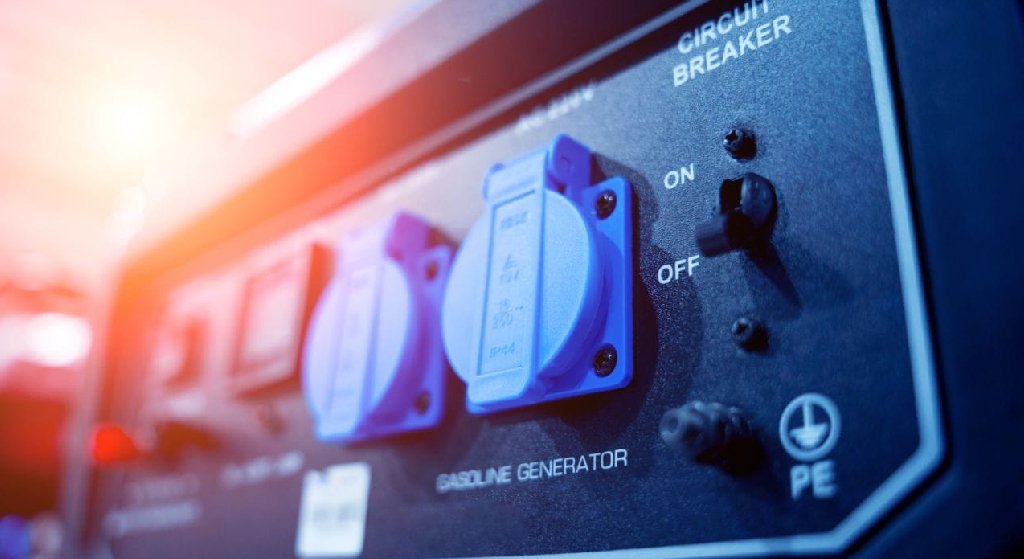
Generators are the most familiar backup solution. They can handle large loads, they’re scalable, and they’ve been the default choice for industrial and commercial facilities for decades. The downside is transfer time — most diesel generators take 10 to 30 seconds to start and synchronise after a grid failure. For IT systems, medical equipment, or manufacturing processes that can’t tolerate even a brief interruption, that gap matters.
Running costs are also significant. Diesel prices in India are volatile, and a generator that runs several hours a day adds up quickly. Factor in maintenance, fuel storage compliance, and pollution control norms, and the total cost of ownership is higher than the capital cost suggests.
Inverter and Battery Systems
Modern inverter systems — particularly those using lithium iron phosphate (LFP) battery technology — offer near-instantaneous switchover, lower running costs, and minimal maintenance. They’re ideal for loads up to a few hundred kilowatts where outage duration is manageable.
The economics of battery-based backup have improved dramatically in recent years. Lithium battery prices have fallen substantially, and the cycle life of LFP batteries (3,000 to 5,000 cycles versus 300 to 500 for lead-acid) makes them a genuinely cost-competitive option for many facilities.
UPS Systems
An Uninterruptible Power Supply provides truly seamless power with zero transfer time. Online double-conversion UPS systems continuously power the load from the battery while simultaneously charging from the grid — the load never sees a gap. This makes them the gold standard for data centres, hospitals, and precision manufacturing.
UPS systems are typically sized for critical loads rather than entire facilities, and are often paired with a generator that takes over for longer outages while the UPS bridges the gap during startup.
The Maintenance Factor
Whatever system you install, backup power infrastructure is only reliable if it’s properly maintained. A generator that hasn’t been load-tested in six months may not start when you need it. A UPS with degraded batteries may not hold load through a grid failure. Regular preventive maintenance isn’t optional — it’s what turns a capital investment into actual operational security.
Getting the Design Right
The worst power backup decisions are made reactively — after a damaging outage, under pressure, without proper load analysis. Swawlambi’s team approaches power backup design the same way they approach energy audits: starting with a thorough understanding of your actual load requirements, critical systems, outage history, and budget constraints before recommending any equipment.
The result is a system that’s right-sized for your operation — not over-engineered and overpriced, not under-specified and inadequate.