Walk into most commercial buildings in India — offices, hospitals, hotels, malls — and the HVAC system is running at full tilt regardless of whether the building is half-empty, regardless of the outdoor temperature, and regardless of what time it is. It’s on because someone left it on, or because the system was designed without controls, or because nobody ever calculated what it should actually be doing.
HVAC systems typically account for 40 to 60 percent of a commercial building’s total electricity consumption. That number alone should make them the first target of any cost-reduction effort.
Why HVAC Systems Become Inefficient Over Time
A system that was well-designed and properly installed can still become a liability as time passes. Filters get clogged and aren’t replaced on schedule. Refrigerant levels drop slightly and the compressor works harder to compensate. Ductwork develops leaks that bleed conditioned air into false ceilings. Thermostats lose calibration. Controls stop working and get bypassed.
None of these are dramatic failures. But each one nudges the system’s efficiency downward — and the electricity consumption upward. A system running at 70 percent of its rated efficiency is consuming 30 percent more electricity than necessary for the same cooling output.
What an HVAC Audit Looks Like
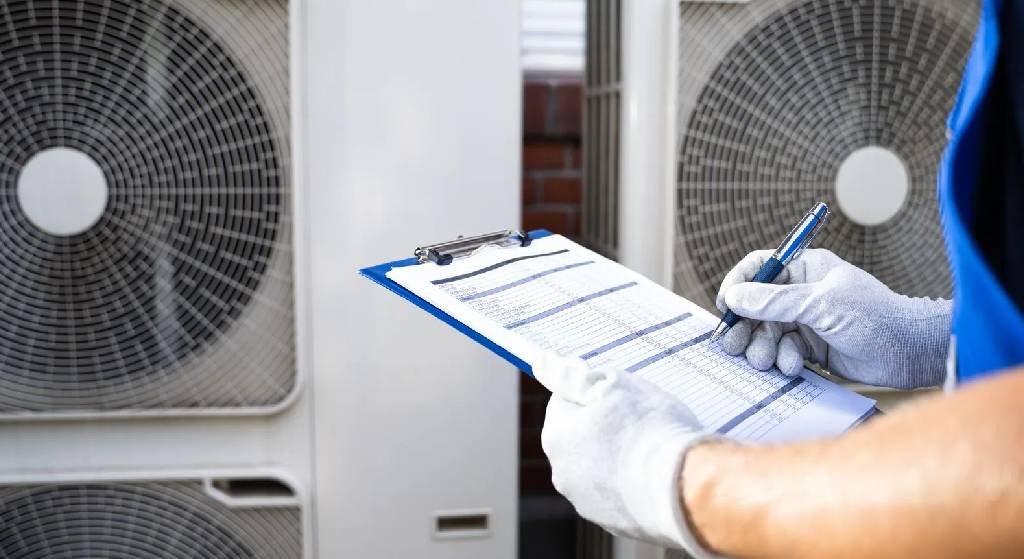
Before any upgrade or replacement decision, a proper assessment of your existing HVAC system is worth doing. Swawlambi’s HVAC team evaluates current equipment condition, measures actual versus rated performance, reviews zoning and controls setup, and identifies the highest-impact areas for improvement.
You might find that a full replacement isn’t necessary — that targeted interventions to the controls system and a maintenance overhaul deliver most of the savings at a fraction of the cost. Or you might find that aging equipment is genuinely costing you more in electricity and repairs than a new efficient system would.
The Right System for Indian Conditions
India’s climate diversity — from the dry heat of Rajasthan to the humid coastal climate of Mumbai and Chennai — means HVAC design can’t be one-size-fits-all. High ambient temperatures in North India during summer put particular stress on condensers. Humidity management in coastal regions requires different approaches to dehumidification. A solution that works well in one geography may perform poorly in another.
Swawlambi’s HVAC solutions are designed with local conditions in mind. Whether it’s a VRF system for a multi-storey office, a precision cooling setup for a server room, or a central plant for a hospital — the approach is always tailored to the actual operating environment.